This article provides step-by-step troubleshooting to help resolve issues where Silhouette Studio crashes, freezes, or fails to fully open. Follow the sections in order for best results.
TABLE OF CONTENTS
- 1. Check Minimum System Requirements
- 2. Reinstall Silhouette Studio
- 3. Optimize Graphics Performance (Highly Recommended)
- 4. Adjust In-App Preferences
- 5. Check for Software Preferences Corruption
- 6. Check for Library Corruption
- 7. Manage Files and Memory
- 8. Crashes or Freezing After Startup
- 9. Issues with Specific Files
- 10. Tool-Specific Crashes
- 11.Design screen flickering or flashing
1. Check Minimum System Requirements
Your computer must meet or exceed the following minimum specifications to run Silhouette Studio reliably:
Operating System:
Windows 8.1 or higher
macOS 10.10 or higher
Internet Connection (required for):
Software updates
Access to the Silhouette Design Store and down;loading files.
Software upgrade activation
firmware update
RAM: 4 GB (8 GB or more recommended)
Processor: 2.5 GHz or faster
Hard Drive Space: 4 GB available
USB Port: USB 2.0 or higher
How to Check Your System Specs
Windows: Press Windows + X, then select System
Mac: Click the Apple menu (top left) > About This Mac
If your system does not meet these requirements, crashes or freezing may occur.
2. Reinstall Silhouette Studio
A clean reinstall can resolve corrupted program files.
Windows
Go to the Silhouette Software download page
Click Windows 64-bit
Once downloaded, run the installer and follow the on-screen prompts
macOS
Move all instances of Silhouette Studio to the Trash and empty it
Create a new macOS user account
Log into the new user account
Download and install Mac 64-bit Silhouette Studio
Launch Silhouette Studio
If it opens successfully, close it and return to your original user account
Attempt to launch Silhouette Studio again
If successful, you may delete the temporary user account
3. Optimize Graphics Performance (Highly Recommended)
Many crashes, freezing, and lag issues are graphics-related.
Force Silhouette Studio to Use Your Dedicated GPU (Windows 11)
Go to Settings > System > Display > Graphics
If Silhouette Studio is not listed, click Browse and add it
Select Silhouette Studio > Options
Choose High Performance (Dedicated GPU) and save
Adjust Power Settings
Set your computer to High Performance or Ultimate Performance mode
In Windows, search for Edit Power Plan
Ensure:
Minimum processor state: 100%
Maximum processor state: 100%
4. Adjust In-App Preferences
Fine-tuning Silhouette Studio’s preferences can significantly improve stability and speed.
Open Preferences by clicking the gear icon (bottom-right) or pressing Ctrl/Cmd + K.
Display Settings
Disable Antialiasing:
Go to Display and set Antialiasing to Off.
This only affects on-screen visuals such as slightly pixelated looking design screen and does NOT impact cut quality.
Advanced Settings
Reduce Packet Size:
Go to Advanced and reduce Packet Size from 1000 to 500.
This improves how data is sent during cut jobs and can reduce freezing.
Import Settings
Disable PNG Auto-Trace
Go to Import and turn off PNG Auto-Trace.
Automatically tracing every image uses significant system resources. This appears to help with many processing errors.
5. Check for Software Preferences Corruption
Silhouette Studio loads user preferences during startup. If these become corrupted, the software may stall or crash.
Common Symptoms
Software stuck on “Loading Icons” or “Initializing”
Repeated “Generating Cut Job” messages
Inability to save preferences or custom materials
Error message stating the software must quit
⚠ Warning: This process removes custom materials and preference settings. Take note of any custom settings before proceeding.
Windows
Close Silhouette Studio
Press Windows + R
Type
%appdata%and press EnterDelete the folder:
com.aspexsoftware.Silhouette_StudioEmpty the Recycle Bin
Reopen Silhouette Studio
macOS
Close Silhouette Studio
Open Finder
Press Cmd + Shift + G
Enter
~/Library/PreferencesDelete the folder:
com.aspexsoftware.Silhouette_StudioEmpty the Trash
Reopen Silhouette Studio
6. Check for Library Corruption
This step tests whether your local library is causing crashes. Your files are not deleted.
Windows
Press Windows + R
Type
%programdata%and press EnterLocate:
com.aspexsoftware.Silhouette_Studio.8Rename it to:
com.aspexsoftware.Silhouette_Studio.8.OLDLaunch Silhouette Studio
If this does not resolve the issue, delete the new folder com.aspexsoftware.Silhouette_Studio.8 and rename the original back to its original name by removing the word OLD from the end
macOS
Open Finder
Press Cmd + Shift + G
Enter
/Library/Application SupportLocate:
com.aspexsoftware.Silhouette_Studio.8Rename it to:
com.aspexsoftware.Silhouette_Studio.8.OLDLaunch Silhouette Studio
If this does not resolve the issue, delete the new folder com.aspexsoftware.Silhouette_Studio.8 and rename the original back to its original name by removing the word OLD from the end
7. Manage Files and Memory
External Storage
Save working files to an external hard drive or SSD instead of the Silhouette Library
Large libraries can slow startup and overall performance
Clear Recovery Files
Go to File > Open Recovery
Delete old recovery files you no longer need
Restart your computer regularly to clear temporary memory caches
Simplify Designs
Remove unused work areas
Delete unnecessary cut lines or traced images
Convert complex grouped artwork to paths when possible
Limit Installed Fonts
Thousands of installed fonts are loaded into RAM at startup
Keep frequently used fonts installed
Store excess fonts on an external drive
8. Crashes or Freezing After Startup
Update Graphics Drivers (Windows Only)
Press Windows + R
Type
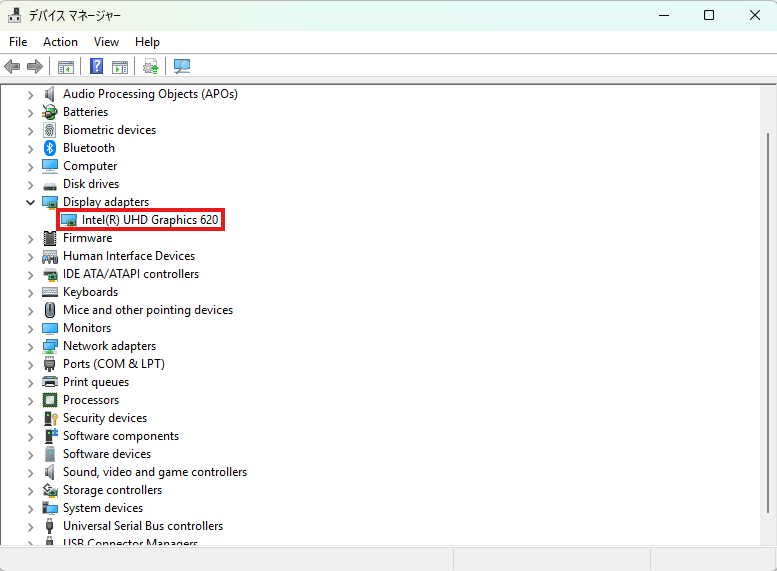
devmgmt.mscand press EnterExpand Display Adapters
Right-click your graphics card > Update Driver
You may also update within windows update and optional updates or directly from the manufacturer:
NVIDIA
Intel
Restart your computer after updating.
9. Issues with Specific Files
If crashes only occur with one design file, the file may be corrupted or too complex.
If the File Opens
Ungroup the design
Select all elements of a single object
Right-click and choose Convert to Path
Repeat for each design element
This reduces processing strain and improves responsiveness.
If the File Will Not Open
Email the file to support@silhouetteamerica.com for testing
10. Tool-Specific Crashes
Design Tools
Try Release Compound Path before re-running the tool
Trace and Detach
Use only with simple images on plain white backgrounds
For complex backgrounds, use Trace instead
Fill Pattern Freezing
Open the Library
Delete the affected pattern
Empty the Library Recycle Bin
Re-import a re-sampled (lower resolution) version of the image
Still Experiencing Issues?
If problems persist after completing all steps above, revisit this guide from the beginning or contact Silhouette Support support@silhouetteamerica.com with details about your system, software version, and the issue you are encountering.
Design Screen Flickering or Flashing in Studio Software
If the design display within the studio software is exhibiting flickering or flashing, please adhere to the following steps.
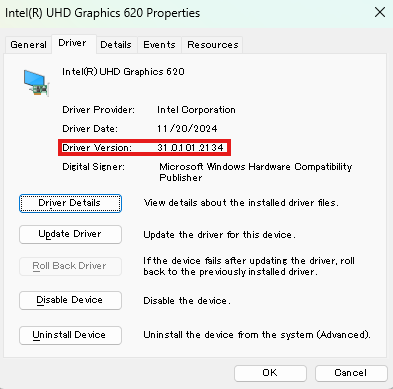
This issue is related to graphics card incompatibility. We have noted this occurrence with the newer Iris Graphics as well as Intel UHD 620 graphics. It may also impact other graphics cards; therefore, if you are experiencing unusual graphics issues, we recommend updating your graphics card. We have validated this solution, and it has proven effective internally.
The version for both the Intel UHD and Iris graphics drivers is Ver. 32.0.101.7088. For other graphics card series we just encourage updating to the newest update for that card.
Please note, we have seen this manifest in different ways on some outdated graphics with either truncated design screen, strange behavior within the design page such as freezing or visual anomalies. In cases such as these whatever your graphics card, please check the brands site for newest updates. .
See below for further instruction.
Update Graphics Drivers (Windows Only)
Press Windows + R
Type
devmgmt.mscand press EnterExpand Display Adapters
Right-click your graphics card > Update Driver
You may also update within windows update and optional updates or directly from the manufacturer:
NVIDIA
Intel
Restart your computer after updating.